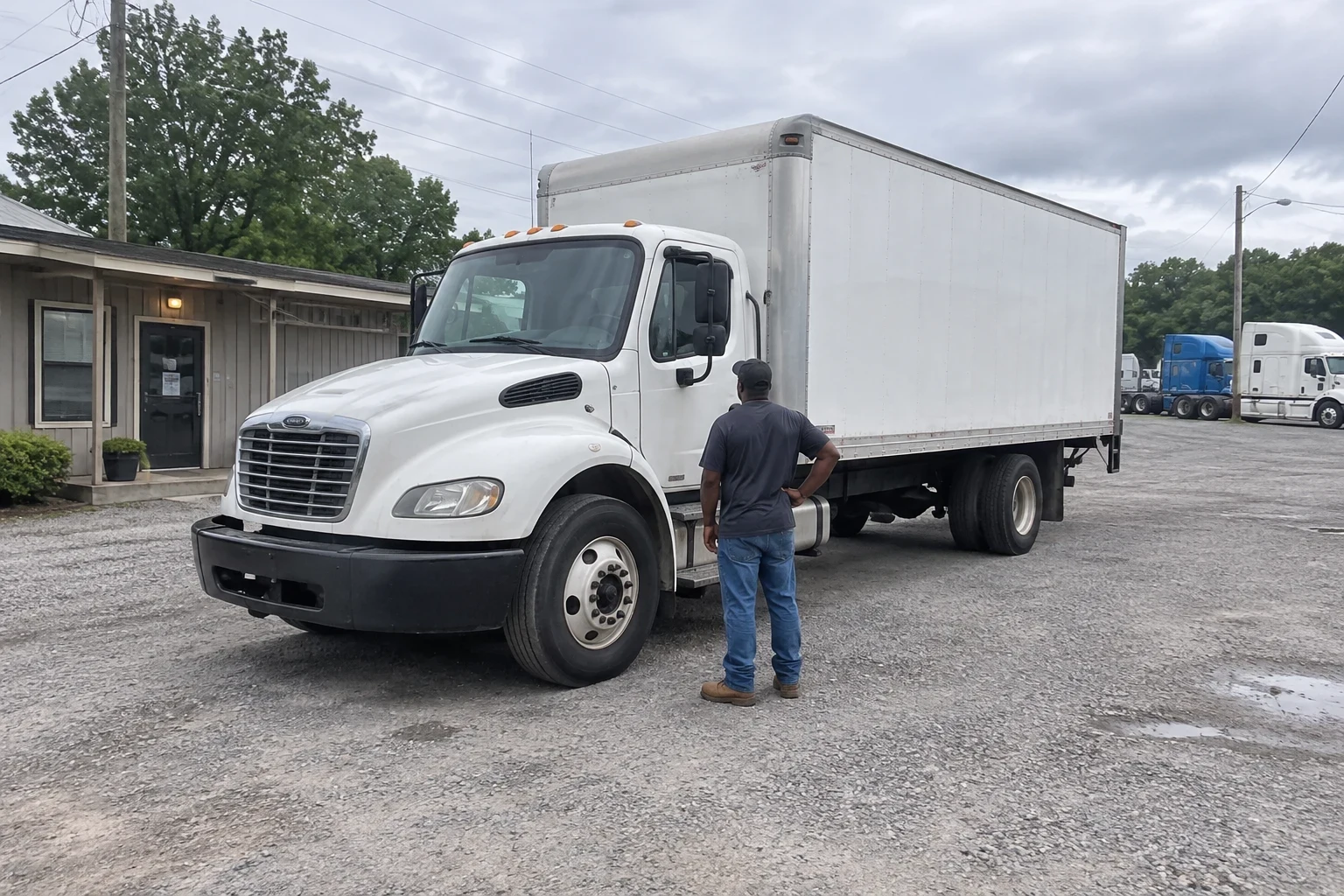
ServicesBox Truck Insurance
Box Truck Insurance in Union City
We set up coverage for box truck operators running delivery, moving, expedited and final-mile freight. You tell us how you run, and we put the liability, cargo and physical damage options in writing, with each premium broken out, before you sign anything.
Coverage Built Around How a Box Truck Works
A box truck sits in an odd spot. It is too big for a personal auto policy, but it does not run like a tractor-trailer either. It makes short stops, backs into tight docks and often carries freight for several customers in one day. Your policy needs to match that.
Most box truck owners need primary auto liability to meet DOT and broker requirements, motor truck cargo coverage for the load in the back, and physical damage insurance for the truck itself. Some also need general liability for loading work or hired and non-owned auto coverage. We go through each piece with you and leave out what you do not need.
Every quote we send lists the coverages, limits, deductibles and premium for each line. If a broker or shipper asks for something extra later, we tell you what it adds before it goes on the policy.
What We Set Up for Your Box Truck
- Primary auto liability
- This pays for injury and damage you cause to others on the road. We match the limit to your filings and to what your brokers or contracts ask for, which is often higher than the federal minimum.
- Motor truck cargo coverage
- Covers the freight in your box if it is damaged or stolen while in your care. We check the exclusions with you, since items like electronics or unattended-truck theft are commonly limited.
- Physical damage
- Covers your truck for collision, theft, fire and weather. We can also ask about coverage for a liftgate or reefer unit so a dock mishap is not on you alone.
- Filings and certificates
- We handle the insurance filings tied to your DOT number and MC authority and send a certificate of insurance to your brokers and shippers when they ask.
- Add-ons when they fit
- General liability, hired and non-owned auto, and rental reimbursement are available if your work calls for them. Each one shows up as its own line with its own cost.
Signs Your Box Truck Coverage Needs a Look
A broker turned down your certificate
Many load boards and shippers want higher liability or cargo limits than a basic policy carries. If you are losing loads over paperwork, the limits likely need to change.
You are on a personal auto policy
A personal policy will usually deny a claim on a truck used for paid hauling. That leaves you paying for the wreck and the other driver.
You crossed 10,001 pounds or a state line
Once your truck's gross weight rating passes that mark and you haul for hire across state lines, federal rules and filings come into play. Your coverage has to keep up.
Your cargo limit is lower than your loads
If you move appliances, furniture or retail freight, one full box can be worth more than your cargo limit. The gap comes out of your pocket.
Your renewal went up with no explanation
You should know why your premium moved. If nobody can tell you, it is time to have someone lay it out line by line.
What Moves the Price of Box Truck Insurance
Box truck premiums depend on your truck, your drivers and the freight you move. We cannot give you a number until we know those details. What we can do is show you in writing which factors are driving your quote, so you know where you have room to adjust.
Truck size and value
A 26-foot truck near the CDL weight line costs more to cover than a 16-footer. A newer truck with a high value also raises the physical damage premium.
Type of freight
Moving loads, electronics and refrigerated freight carry more cargo risk than dry general freight. Your cargo premium follows what is in the box.
Radius and routes
Local runs around South Fulton and Fairburn price differently than regional or long-haul work. Dense city stops can mean more fender-benders.
Drivers and loss history
Clean driving records and few past claims help. New authorities and new drivers usually pay more until they build a record.
Limits and deductibles
Higher liability and cargo limits cost more. A larger deductible can bring the premium down, and we show you both side by side.
From First Call to Filed Policy
- 1
Talk through your operation
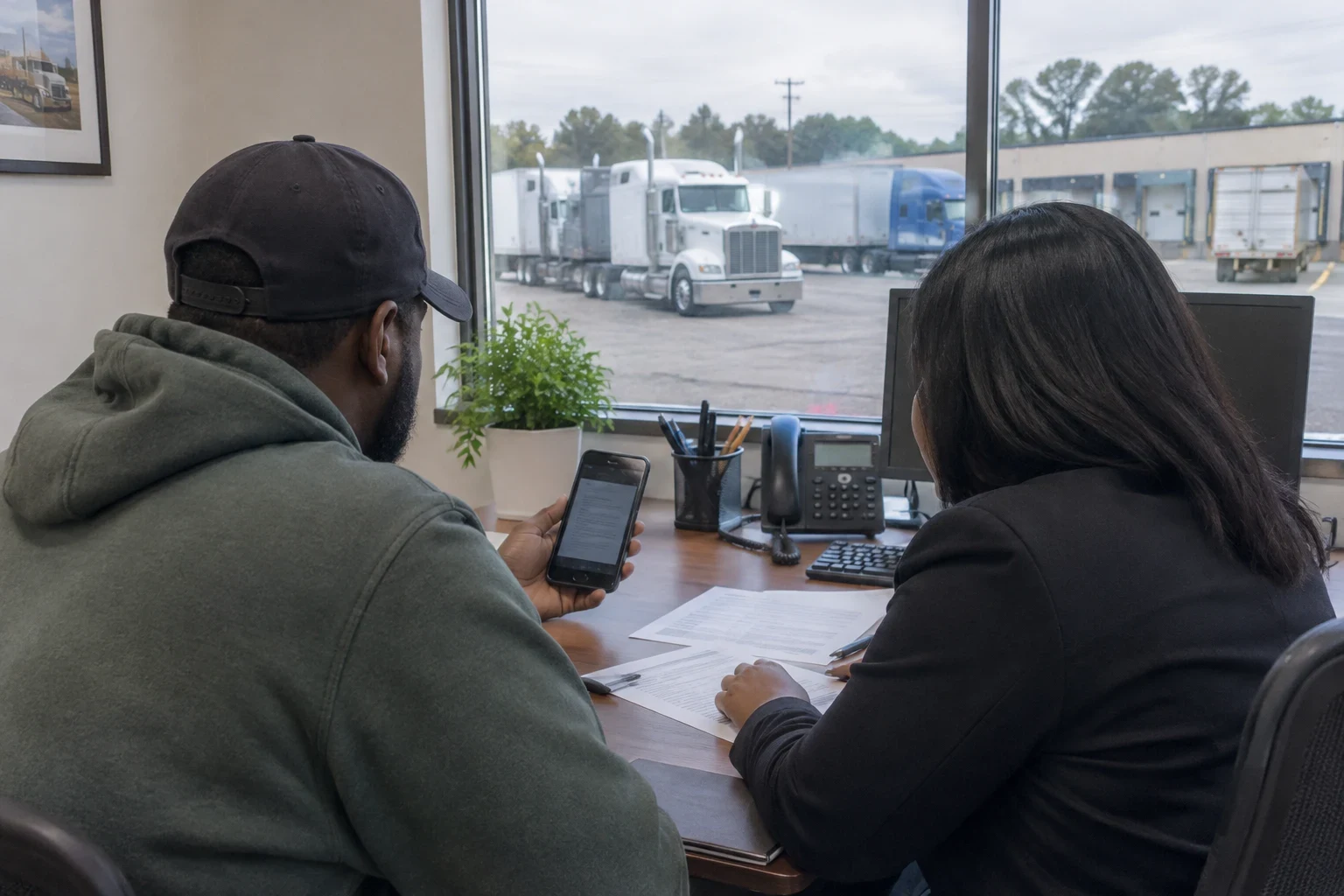
We talk by phone, by video or at our office. We ask about your truck, its weight rating, what you haul, how far you run and who you drive for.
- 2
Gather the details
We need your DOT number and MC authority if you have them, driver license info, loss history and the truck's VIN. If you are just starting out, we tell you what you will need and in what order.
- 3
Shop the market
We take your information to carriers that write box truck risks. Not every company will, so we focus on the ones that fit your type of freight.
- 4
Review the written quote
You get each coverage, limit, deductible and premium in writing. We walk through it with you and point out exclusions that matter for your loads.
- 5
Bind and file
Once you pick an option, we bind the policy, make the filings and send certificates to the brokers or shippers you name.
Box Truck Insurance Questions
Do I need a DOT number for my box truck?
If your truck has a gross vehicle weight rating over 10,001 pounds and you haul for hire across state lines, you generally need a USDOT number. Many for-hire carriers also need MC authority. Georgia has its own rules for work that stays in state. We can tell you which filings apply to how you run.
How much liability do brokers want for box trucks?
It varies by broker and shipper. Many ask for more than the federal minimum, and some set specific cargo limits too. Send us their requirements and we will price coverage to match them.
Does my cargo coverage cover everything I haul?
Not always. Cargo policies often limit or exclude certain goods, theft from an unattended truck, or spoilage if a reefer fails. We list those limits in your written quote so you see them before you buy.
Can I get coverage if my authority is brand new?
Yes. New authorities have fewer carriers to choose from and usually pay more at first. We tell you what to expect and which steps can help your rate at renewal. Our New Authority Truck Insurance page covers this in more detail.
Is my liftgate covered?
Physical damage coverage may cover a liftgate as part of the truck, but some policies treat it as added equipment. We check how each carrier handles it and note it in writing.
Get Your Box Truck Coverage in Writing
Tell us about your truck and your loads. We will lay out the coverage options and each premium on paper so you can compare before you commit.